









Shop by Category
Aesthetics and Authenticity: Exploring the Appeal of Feminine Styling.
The attraction toward feminine styling, often explored by individuals regardless of their assigned gender, speaks to a universal human desire for beauty, nuance, and unrestricted self-expression. This form of personal presentation is a complex tapestry woven with threads of aesthetic appreciation, psychological release, and a quest for authenticity. It provides a means to interact with the world through a visually richer, more emotionally resonant medium.
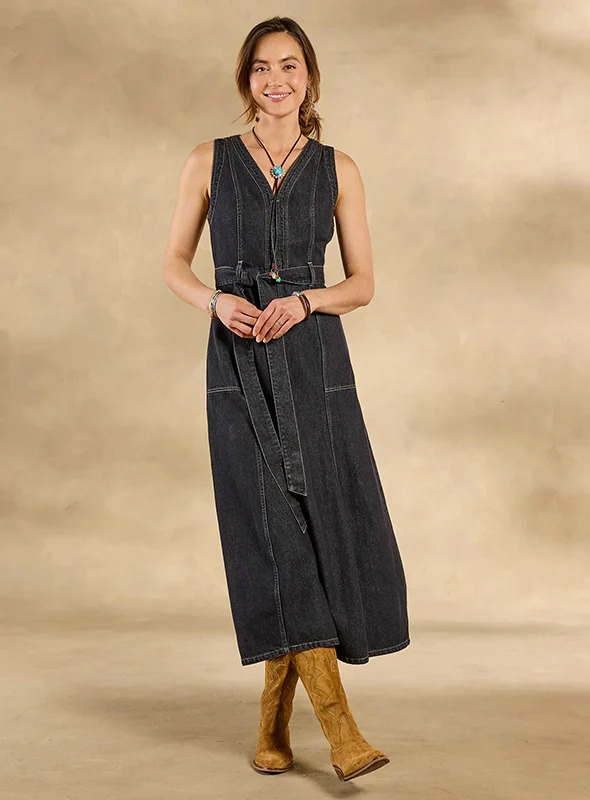
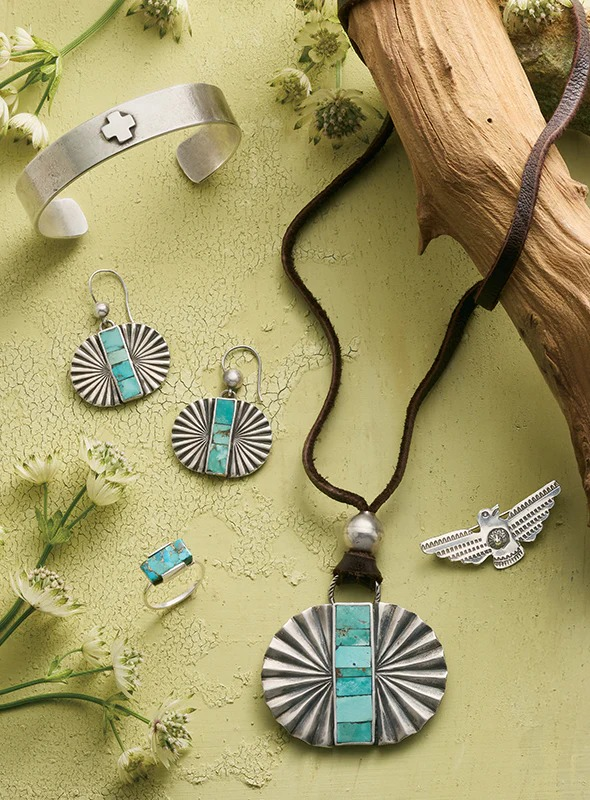
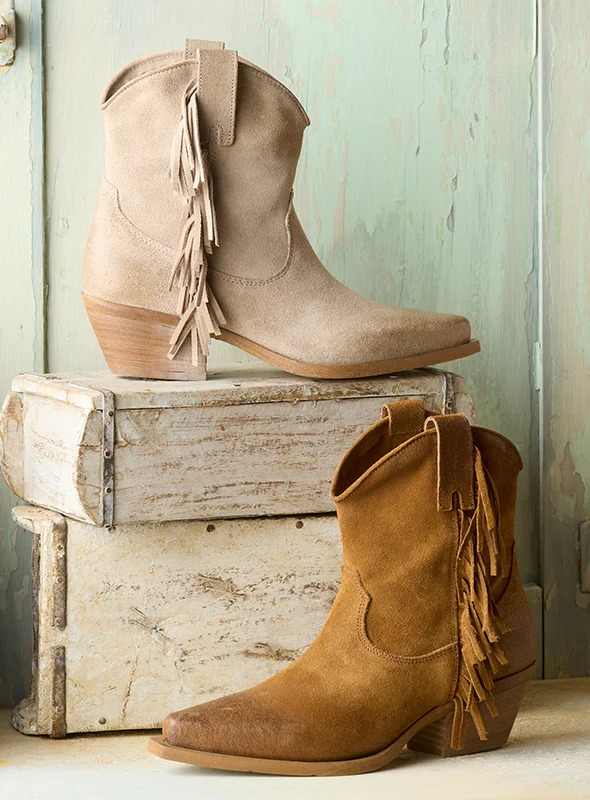
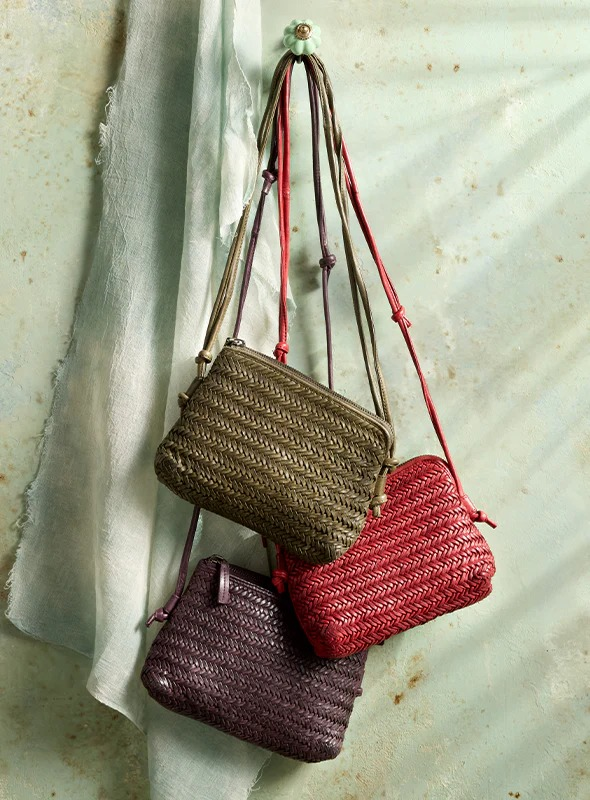
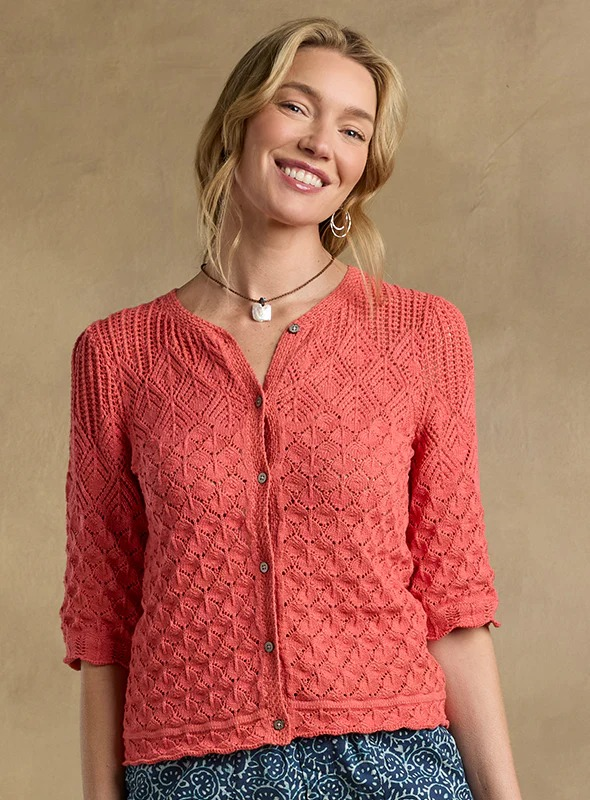
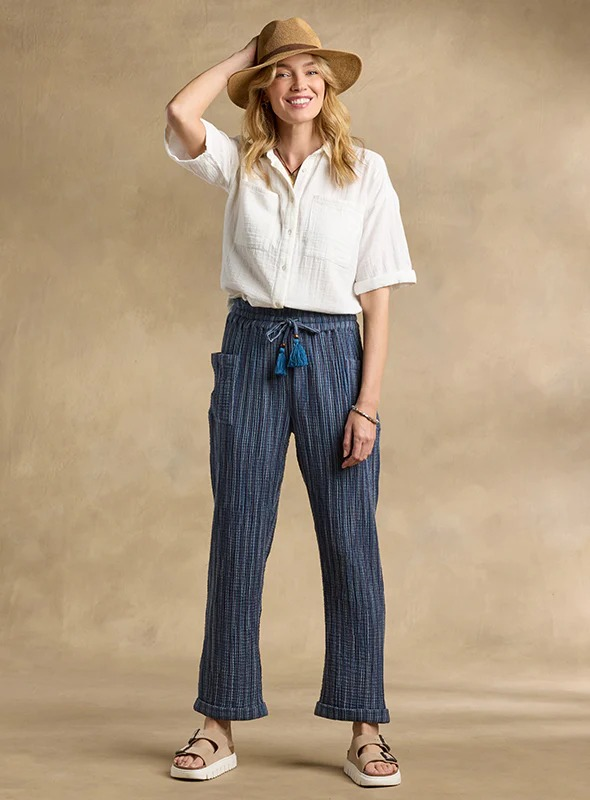
At its core, the appeal lies in the sheer variety and detail inherent in garments designed for women. The design language of this clothing often prioritizes flow, form, and ornamentation. Contrast the stark functionality often associated with typical male apparel against the intricate layering of a formal gown, the playful geometry of a printed shift dress, or the delicate lacework of a chemise. These garments are designed to interact with light and movement in captivating ways, adding a dynamic, almost theatrical quality to the wearer’s presence. The utilization of accessories—belts, bags, specialized footwear, and head coverings—further extends the scope for creative personalization, allowing for an infinite combination of textures and tones.
For the individual who steps into this world of dress, the impact is immediately tangible. There is a sensory richness to the experience. The feel of soft velvet, the gentle rustle of a silk lining, the weight of a detailed jacket—these physical sensations are part of the joy. Moreover, the process of transformation itself becomes a meditative and engaging activity. Applying makeup, selecting an appropriate hairstyle, and coordinating all the elements of an ensemble demands focus and artistic judgment. This ritualistic approach to dressing is a powerful tool for mindfulness, creating a clear break from the mundane and preparing the individual to step into their day with intention.
Psychologically, this exploration can be immensely therapeutic. For those whose inner identity resonates with characteristics traditionally coded as feminine, wearing these garments provides a vital external confirmation of that internal reality. It is a powerful act of integration, where the inner and outer self align. This authenticity can lead to a significant reduction in cognitive dissonance and a boost in self-esteem. The clothes act as a visual manifestation of a fully realized self, no longer hidden or constrained by external expectations of how one should look.
The historical and cultural significance of these garments also contributes to their allure. Many pieces of feminine attire—from the classic little black garment to the power suit—carry decades of social and artistic history. Engaging with these styles is, in a way, participating in a continuing dialogue about gender, power, and beauty. Understanding the evolution of the silhouette, the politics of the hemline, and the revolutionary nature of certain designers adds intellectual depth to the personal choice of outfit.
Furthermore, this way of dressing opens up a new dimension in social interaction. While it may initially challenge the comfort zone of some observers, it ultimately invites a more nuanced conversation about human identity. A confident, well-presented individual who defies typical appearance norms becomes a catalyst for others to question their own preconceived ideas. The visibility of this choice is a quiet but powerful statement about personal freedom and the right to define one’s own image.
Ultimately, the commitment to this aesthetic path is an investment in personal happiness and self-knowledge. It is a journey that celebrates courage, creativity, and the rejection of arbitrary limitations. The garments are merely the medium; the true substance is the self-acceptance and the joy derived from presenting an authentic, beautiful, and fully articulated self to the world. It is a celebration of the expansive potential of human identity, proving that the most fashionable statement one can make is always the honest one.